PsyAtlas

Read the evidence.

Everything here is either a citation you can open yourself or a plain explanation of how these treatments are structured. No promises about outcomes, and clear notes where the research is still thin.

The trials that changed the field.

Each of these moved regulators, funders, or clinical practice. Every citation links to the paper on PubMed so you can read the methods and limitations yourself.

  1. New England Journal of Medicine2023, Landmark

    Among people already referred for electroconvulsive therapy, 55 percent responded to intravenous ketamine and 41 percent to ECT, and ketamine was not associated with the short-term memory decline measured after ECT, though dissociation during infusions was common.

    Open-label randomized noninferiority trial, 403 participants

    Anand et al, on PubMed

  2. Nature Medicine2023, Landmark

    In a more ethnically and racially diverse group, PTSD scores dropped by about 24 points with MDMA-assisted therapy compared with about 15 points for therapy with placebo, with no deaths and no serious treatment-emergent adverse events reported.

    Phase 3 confirmatory randomized placebo-controlled trial, 104 participants

    Mitchell et al, on PubMed

  3. New England Journal of Medicine2022, Landmark

    A single 25 mg dose of synthetic psilocybin lowered depression scores about 6.6 points more than a 1 mg control dose at three weeks while a 10 mg dose did not, and adverse events including headache, nausea and, in all three dose groups, suicidal thoughts or self-injury were reported.

    Phase 2b double-blind dose-ranging trial, 233 participants with treatment-resistant depression

    Goodwin et al, on PubMed

  4. New England Journal of Medicine2021, Landmark

    On the trial's main measure at six weeks there was no significant difference between two psilocybin sessions and six weeks of the antidepressant escitalopram, and although several secondary measures favored psilocybin those results were not corrected for multiple comparisons.

    Phase 2 double-blind randomized controlled trial, 59 participants

    Carhart-Harris et al, on PubMed

  5. Nature Medicine2021, Landmark

    PTSD symptom scores fell by an average of about 24 points with MDMA-assisted therapy compared with about 14 points for the same therapy plus placebo, and the treatment was generally well tolerated, including among people with depression, dissociation or a history of substance use.

    Phase 3 randomized double-blind placebo-controlled trial, 90 participants with severe PTSD

    Mitchell et al, on PubMed

  6. American Journal of Psychiatry2019, Landmark

    Adding esketamine nasal spray to a newly started oral antidepressant lowered depression scores about 4 points more at 4 weeks than the antidepressant with a placebo spray, with dissociation, nausea, vertigo and dizziness appearing shortly after dosing and usually resolving within about 90 minutes.

    Phase 3 double-blind active-controlled trial, 227 participants randomized

    Popova et al, on PubMed

  7. American Journal of Psychiatry2006, Landmark

    About 37 percent of people reached remission on their first antidepressant and only around 13 percent did so at the third and fourth medication steps, which is the main reason treatment-resistant depression is studied as a distinct problem.

    Multi-step open treatment trial, 3,671 outpatients with major depression

    Rush et al, on PubMed

  8. Archives of General Psychiatry2006, Landmark

    A single ketamine infusion improved depression within about two hours and 71 percent of participants met response criteria the next day, but only 35 percent still met them one week later and the trial included just 18 people.

    Randomized, double-blind, placebo-controlled crossover trial, 18 participants with treatment-resistant depression

    Zarate et al, on PubMed

  9. Biological Psychiatry2000, Landmark

    In the first placebo-controlled test of its kind, a single intravenous dose of ketamine lowered depression scores by an average of 14 points on a standard rating scale within 72 hours while saline produced no change, in a study of only seven people.

    Randomized, double-blind, placebo-controlled crossover trial, 7 participants

    Berman et al, on PubMed

Evidence by medicine.

Ketamine4 papers

  1. New England Journal of Medicine2023, Landmark

    Among people already referred for electroconvulsive therapy, 55 percent responded to intravenous ketamine and 41 percent to ECT, and ketamine was not associated with the short-term memory decline measured after ECT, though dissociation during infusions was common.

    Open-label randomized noninferiority trial, 403 participants

    Anand et al, on PubMed

  2. Pain2009

    Ten days of low-dose intravenous ketamine reduced several measures of pain in complex regional pain syndrome across three months of follow-up while placebo did not, in a small study whose authors called for a larger trial at higher doses and with longer follow-up.

    Randomized double-blind placebo-controlled trial of ten days of outpatient intravenous ketamine infusions

    Schwartzman et al, on PubMed

  3. Archives of General Psychiatry2006, Landmark

    A single ketamine infusion improved depression within about two hours and 71 percent of participants met response criteria the next day, but only 35 percent still met them one week later and the trial included just 18 people.

    Randomized, double-blind, placebo-controlled crossover trial, 18 participants with treatment-resistant depression

    Zarate et al, on PubMed

  4. Biological Psychiatry2000, Landmark

    In the first placebo-controlled test of its kind, a single intravenous dose of ketamine lowered depression scores by an average of 14 points on a standard rating scale within 72 hours while saline produced no change, in a study of only seven people.

    Randomized, double-blind, placebo-controlled crossover trial, 7 participants

    Berman et al, on PubMed

Esketamine (Spravato)3 papers

  1. American Journal of Psychiatry2025

    Pooling the published trials, the authors found that esketamine added to antidepressants had a small but statistically significant benefit for depression at 2 to 4 weeks, comparable to other add-on strategies, and no significant effect on suicidal thinking itself.

    Systematic review and meta-analysis, 87 included articles

    Fountoulakis et al, on PubMed

  2. American Journal of Psychiatry2019, Landmark

    Adding esketamine nasal spray to a newly started oral antidepressant lowered depression scores about 4 points more at 4 weeks than the antidepressant with a placebo spray, with dissociation, nausea, vertigo and dizziness appearing shortly after dosing and usually resolving within about 90 minutes.

    Phase 3 double-blind active-controlled trial, 227 participants randomized

    Popova et al, on PubMed

  3. JAMA Psychiatry2019

    Among people who had reached stable remission, 27 percent relapsed while continuing esketamine alongside an antidepressant compared with 45 percent who switched to a placebo spray, indicating that continued dosing delayed relapse for a meaningful share of participants.

    Phase 3 randomized withdrawal trial, 297 participants entered the maintenance phase

    Daly et al, on PubMed

Psilocybin9 papers

  1. BMJ2024

    Across the trials psilocybin outperformed the comparison treatment with a moderate pooled effect, but every included study carried a moderate risk of bias and benefits looked larger in people who had used psychedelics before, which the authors say points to possible expectancy effects.

    Systematic review and meta-analysis, 7 trials and 436 participants

    Metaxa and Clarke, on PubMed

  2. New England Journal of Medicine2022, Landmark

    A single 25 mg dose of synthetic psilocybin lowered depression scores about 6.6 points more than a 1 mg control dose at three weeks while a 10 mg dose did not, and adverse events including headache, nausea and, in all three dose groups, suicidal thoughts or self-injury were reported.

    Phase 2b double-blind dose-ranging trial, 233 participants with treatment-resistant depression

    Goodwin et al, on PubMed

  3. JAMA Psychiatry2022

    Over 32 weeks, participants who received two psilocybin sessions alongside psychotherapy spent 9.7 percent of days heavy drinking compared with 23.6 percent for those given an active placebo, and no serious adverse events occurred in the psilocybin group.

    Double-blind randomized controlled trial, 95 randomized and 93 analyzed

    Bogenschutz et al, on PubMed

  4. JAMA Psychiatry2021

    Four weeks after two psilocybin sessions with therapy, 71 percent of participants had at least a 50 percent drop in depression scores and 54 percent were in remission, in a small trial that compared psilocybin against a waiting list rather than a placebo.

    Randomized waiting-list-controlled trial, 27 randomized and 24 completed

    Davis et al, on PubMed

  5. New England Journal of Medicine2021, Landmark

    On the trial's main measure at six weeks there was no significant difference between two psilocybin sessions and six weeks of the antidepressant escitalopram, and although several secondary measures favored psilocybin those results were not corrected for multiple comparisons.

    Phase 2 double-blind randomized controlled trial, 59 participants

    Carhart-Harris et al, on PubMed

  6. The Lancet Psychiatry2016

    All 12 participants tolerated two psilocybin sessions with no serious adverse events, and depression scores fell sharply at one week and remained lower at three months, but with no comparison group this was a safety and feasibility study rather than a test of effectiveness.

    Open-label feasibility study, 12 participants, no control group

    Carhart-Harris et al, on PubMed

  7. Journal of Psychopharmacology2016

    A high dose of psilocybin produced large reductions in depressed mood and anxiety compared with a very low placebo-like dose, and about 80 percent of participants still showed clinically significant reductions six months later.

    Randomized double-blind crossover trial, 51 participants with life-threatening cancer

    Griffiths et al, on PubMed

  8. Journal of Psychopharmacology2016

    A single moderate dose of psilocybin given alongside psychotherapy reduced anxiety and depression quickly, and roughly 60 to 80 percent of participants still showed clinically significant reductions about six and a half months later, in a small single-site trial.

    Double-blind placebo-controlled crossover trial, 29 participants with cancer-related distress

    Ross et al, on PubMed

  9. Journal of Psychopharmacology2014

    Twelve of 15 long-term smokers, or 80 percent, were abstinent at six months after psilocybin sessions embedded in a 15-week quit program, a striking figure that an open-label pilot without a control group cannot attribute to psilocybin itself.

    Open-label pilot study, 15 participants, no control group

    Johnson et al, on PubMed

MDMA3 papers

  1. CNS Drugs2025

    This review records that despite positive phase 3 results the FDA voted against approving MDMA-assisted therapy in 2024, citing trial design concerns including failure of blinding and missing safety assessments, so MDMA-assisted therapy is not an approved treatment in the United States.

    Narrative review of the phase 3 evidence and the 2024 United States regulatory decision

    Singh B, on PubMed

  2. Nature Medicine2023, Landmark

    In a more ethnically and racially diverse group, PTSD scores dropped by about 24 points with MDMA-assisted therapy compared with about 15 points for therapy with placebo, with no deaths and no serious treatment-emergent adverse events reported.

    Phase 3 confirmatory randomized placebo-controlled trial, 104 participants

    Mitchell et al, on PubMed

  3. Nature Medicine2021, Landmark

    PTSD symptom scores fell by an average of about 24 points with MDMA-assisted therapy compared with about 14 points for the same therapy plus placebo, and the treatment was generally well tolerated, including among people with depression, dissociation or a history of substance use.

    Phase 3 randomized double-blind placebo-controlled trial, 90 participants with severe PTSD

    Mitchell et al, on PubMed

Ibogaine2 papers

  1. Nature Medicine2024

    One month after a supervised magnesium plus ibogaine protocol these 30 veterans reported large improvements in daily functioning and in PTSD, depression and anxiety symptoms with no unexpected or serious adverse events, though there was no control group and ibogaine on its own has been linked to fatal heart rhythm problems.

    Prospective open-label observational study, 30 male special operations veterans, no control group

    Cherian et al, on PubMed

  2. The American Journal of Drug and Alcohol Abuse2018

    Withdrawal scores dropped by roughly half in the days after a single ibogaine treatment and 15 of 30 participants reported no opioid use in the following month, with smaller sustained improvements through 12 months, in an uncontrolled study of people for whom previous treatments had not worked.

    Prospective observational study, 30 participants with opioid dependence, no control group

    Brown and Alper, on PubMed

The medicines, in depth.

What each one treats, how a session runs, what it feels like, what the evidence supports, and the risks worth taking seriously.

Ketamine

Legal prescription medicine, used off-label for mental health

Racemic ketamine, given IV, IM, or as a lozenge
Used for
Treatment-resistant depression, PTSD, severe anxiety, OCD, suicidal thinking, and some chronic pain conditions.
How it is given
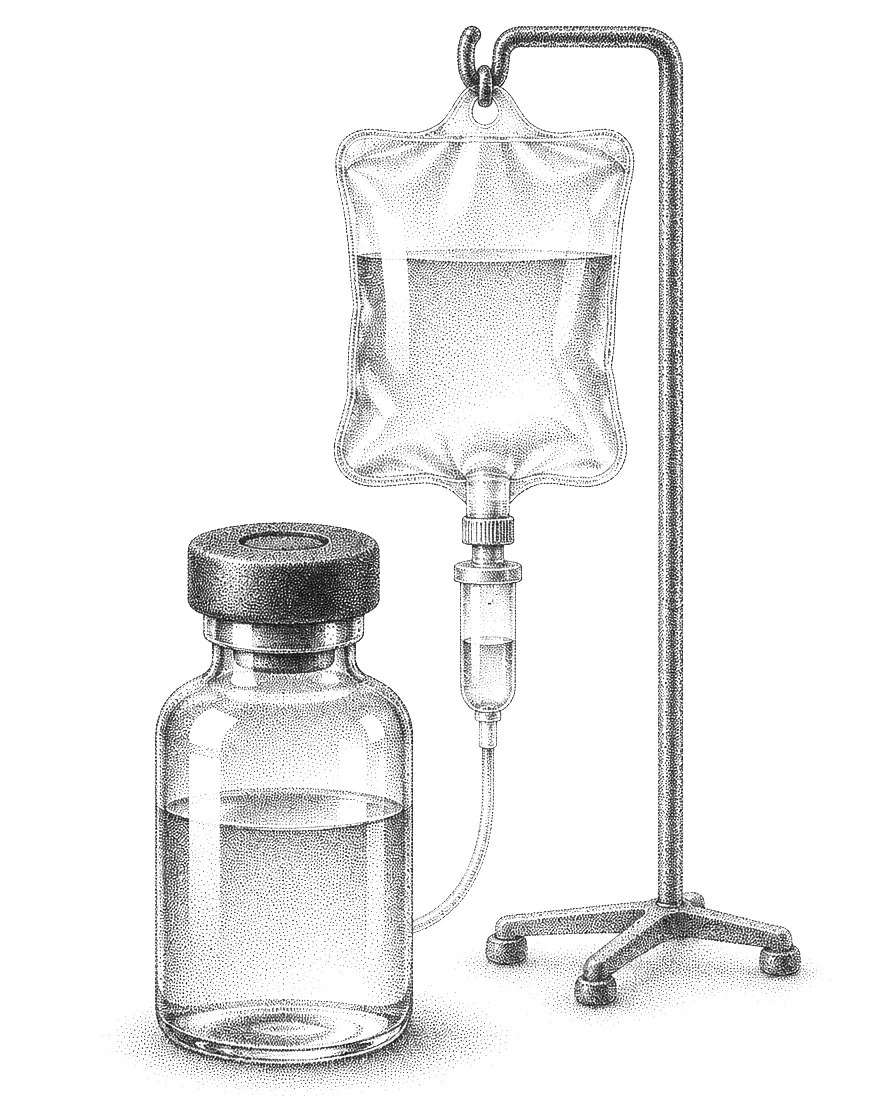
Usually a 40 to 60 minute intravenous infusion in a clinic, an intramuscular injection, or a sublingual lozenge taken at home under remote supervision.
What the visit looks like
Plan on 90 minutes at the clinic. You cannot drive afterward, so arrange a ride. A standard course is six sessions across two to three weeks, then boosters as needed.
What it feels like
A dissociative state: distance from your body, altered time, sometimes vivid imagery. Most people find it strange rather than frightening, and it fades within an hour. Nausea and elevated blood pressure are the common side effects.
What the evidence shows
A rapid antidepressant effect of ketamine was first shown in a controlled trial in 2000 and has been reported in many trials since, though not every patient responds. The open question is durability: effects often fade over weeks without repeat dosing.
Risks and exclusions
Not for people with uncontrolled hypertension, active psychosis or mania, or certain cardiac conditions. Ketamine has real abuse potential, and long-term frequent use is associated with bladder damage, which is why clinic-supervised courses are the norm.
Esketamine (Spravato)

FDA-approved and covered by most insurance

The S-enantiomer of ketamine, as a nasal spray

Used for
Treatment-resistant depression, and major depression with acute suicidal ideation or behavior. It is the only medicine in this family with a full FDA approval for a mental health condition.
How it is given
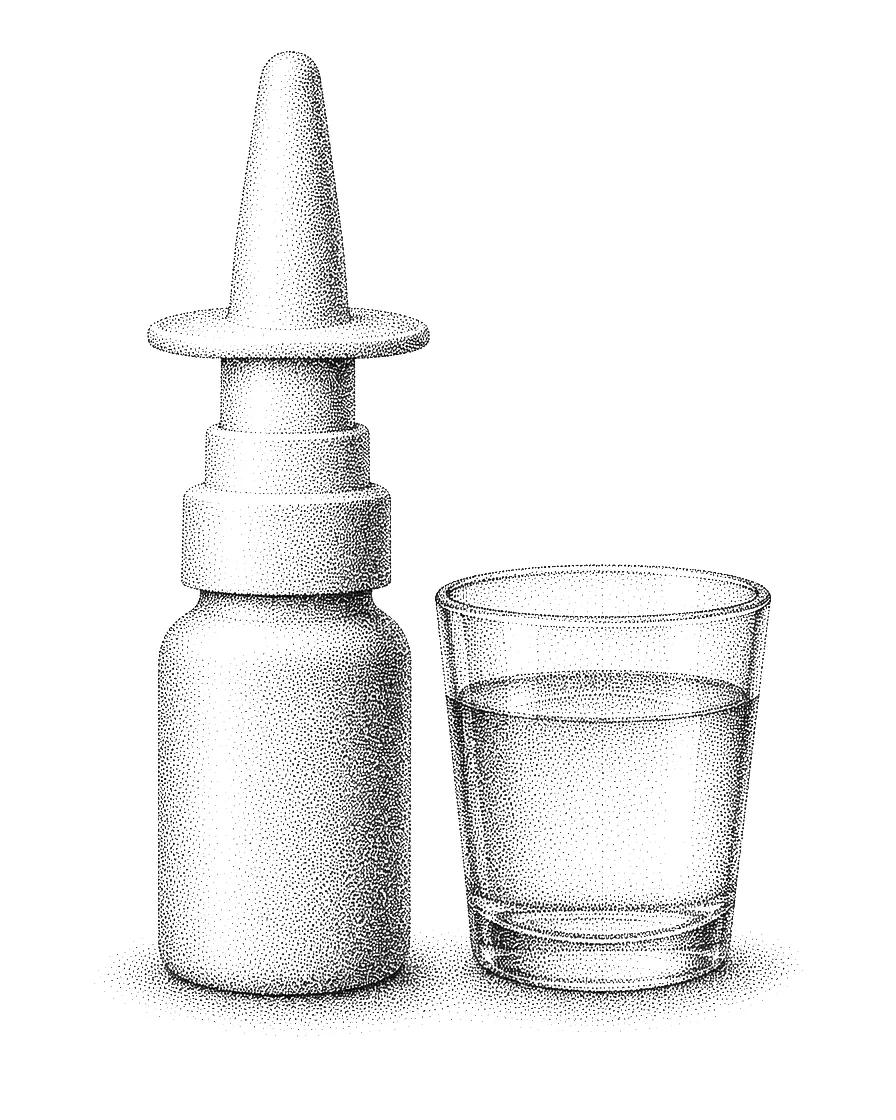
A nasal spray you self-administer at a certified treatment center, alongside an oral antidepressant, twice weekly at first then tapering to weekly or biweekly.
What the visit looks like
Two hours on site every time, because you must be monitored after dosing. You cannot drive for the rest of the day.
What it feels like
Similar in character to ketamine but usually milder: dissociation, dizziness, and sedation that resolve within the monitoring window.
What the evidence shows
Approval rested on phase 3 trials showing improvement over an oral antidepressant plus placebo spray, and a relapse-prevention trial showing longer time to relapse when treatment continued.
Risks and exclusions
Sedation and dissociation require supervised dosing under a federal safety program. Blood pressure is checked before and after each dose.

Psilocybin

Licensed programs in Oregon and Colorado, prescribed in Australia, legal in some countries

The active compound in psilocybin mushrooms and truffles

Used for
Studied most for treatment-resistant depression, major depression, end-of-life anxiety in cancer patients, and alcohol use disorder.
How it is given
A single supported session with a trained facilitator or therapist present, usually lying down with eyeshades and a music playlist.
What the visit looks like
Four to six hours of active effects, plus preparation beforehand and integration afterward. You stay at the center for the entire session.
What it feels like
Profound perceptual and emotional changes, often including strong emotion, autobiographical memory, and a sense of perspective shift. Difficult stretches within a session are common and are worked through with the facilitator rather than medicated away.
What the evidence shows
Multiple randomized trials, including a head-to-head against a standard antidepressant and a large dose-ranging phase 2b trial, have shown meaningful reductions in depression scores. Trials are still relatively small and blinding is genuinely hard, which researchers openly acknowledge.
Risks and exclusions
Excluded for people with a personal or family history of psychosis or bipolar I. Lithium in particular is dangerous in combination. Blood pressure rises during sessions, so cardiac conditions matter.

MDMA

Approved in Australia for PTSD via authorised prescribers, not approved in the US

Given as MDMA-assisted therapy, not as a standalone drug

Used for
Post-traumatic stress disorder, specifically, and only alongside extended therapy.
How it is given
Two or three dosing sessions of roughly eight hours, each with two therapists in the room, spread across several weeks of preparation and integration therapy.
What the visit looks like
A full day per dosing session. The therapy hours around the dose are considered part of the treatment, not an add-on.
What it feels like
Reduced fear response and increased trust, which is what allows people to approach traumatic memory without being overwhelmed by it.
What the evidence shows
Two phase 3 trials reported large reductions in PTSD severity compared with therapy plus placebo. In 2024 the FDA declined to approve the treatment and requested an additional trial, citing concerns about blinding and trial conduct, so the US path is still open rather than settled.
Risks and exclusions
Blood pressure and heart rate rise during sessions. Cardiac screening is required, and the therapy is demanding: this is not a light day.

Ibogaine

Unscheduled in Mexico and some other countries, not approved anywhere as a medicine

Derived from the iboga shrub, used in a medical setting

Used for
Primarily opioid dependence, where a single session can markedly reduce withdrawal. More recently studied for traumatic brain injury in veterans.
How it is given
A single supervised dose over roughly 24 to 36 hours in a medical facility.
What the visit looks like
A long, intense, physically demanding experience requiring continuous cardiac monitoring. This is closer to a medical procedure than a therapy session.
What it feels like
An extended dreamlike state, often with autobiographical review, followed by many hours of exhaustion and reduced sleep.
What the evidence shows
Observational data on opioid withdrawal is striking, and a 2024 study in special operations veterans reported improvements in functioning after treatment. Randomized controlled trials do not yet exist at scale.
Risks and exclusions
This is the highest-risk treatment on PsyAtlas. Ibogaine can cause fatal cardiac arrhythmias. EKG screening, electrolyte correction, and continuous monitoring by medical staff are non-negotiable, and deaths have occurred at facilities that skipped them.

Ayahuasca

Legal or unscheduled in Peru, Brazil, Costa Rica, Ecuador, and Colombia

A brew combining DMT with an MAOI-containing vine

Used for
Sought for depression, trauma, and addiction. Formal trial evidence is early, with one small controlled trial in treatment-resistant depression.
How it is given
Evening ceremonies led by facilitators, usually several across a multi-day retreat.
What the visit looks like
Four to six hours per ceremony, typically at night, in a group. Vomiting is common and is treated as part of the process.
What it feels like
Intense visionary and emotional states, physically taxing, with wide variation between individuals and between nights.
What the evidence shows
Observational studies and one small randomized trial suggest antidepressant effects, but the research base is far thinner than for ketamine or psilocybin. Treat claims accordingly.
Risks and exclusions
The MAOI content makes drug interactions genuinely dangerous. SSRIs and many other medications must be tapered under medical guidance well in advance. Excluded for psychosis history and serious cardiac conditions.

Four ways this care is delivered.

The same medicine can sit inside very different settings. Knowing which model a provider follows tells you more than the drug name does.

The medical model

A clinic delivers the medicine and monitors you. The work is pharmacological: change the brain state, lift the symptoms, repeat on a schedule.

  • An intake with a prescriber, then a course of roughly six sessions over two to three weeks
  • You sit or lie in a treatment room with vitals monitored, typically 40 to 60 minutes for an infusion
  • Little or no therapy attached, though many clinics encourage you to keep your own therapist
  • Boosters every few weeks or months once the initial course ends

Best suited to: Ketamine infusions and Spravato, where the evidence base is about symptom relief.

Ketamine-assisted psychotherapy

The medicine is one part of a therapy relationship. A therapist prepares you, sits with you during the session, and helps you make sense of it afterward.

  • Preparation sessions before any dosing, sometimes several
  • Dosing sessions of two to three hours with a therapist present the whole time
  • Integration sessions in the following days, which is where most of the change is consolidated
  • Often a lower dose than a pure infusion protocol, because you need to be able to talk

Best suited to: Trauma, PTSD, and depression tangled up with life circumstances rather than biology alone.

Licensed facilitator programs

Oregon and Colorado created a legal, non-medical path: a trained facilitator supports a psilocybin session at a licensed center. No diagnosis or prescription is involved.

  • A preparation meeting where you and the facilitator agree on intentions and screening
  • One administration session of four to six hours at the center, usually lying down with eyeshades and music
  • An integration conversation afterward
  • You are not a patient here, you are a client, and insurance does not apply

Best suited to: People seeking a single deep session rather than an ongoing medical course.

The retreat model

Several days away, usually in a group, with multiple sessions and time in between. Common for psilocybin in the Netherlands and Jamaica, and for ayahuasca in South America.

  • Health and medication screening before you are accepted, including tapering some medications
  • Three to ten days on site with two or more ceremonies or sessions
  • Group process, bodywork, or integration circles between sessions
  • Follow-up calls after you return home, from the better operators

Best suited to: People who want depth and time, and who can travel and pay out of pocket.

Questions patients actually ask.

Is this a replacement for my antidepressant or my therapist?

No, and reputable providers will say so. Spravato is explicitly given alongside an oral antidepressant. Ketamine clinics generally want you to keep your prescriber and therapist involved. These treatments tend to open a window; therapy is what you do with it.

How fast does it work?

In studies, ketamine and esketamine can shift mood within hours to days, though not for everyone. They are not emergency care: if you are in crisis, call or text 988 in the US or your local emergency number. Psilocybin trials typically measure change at one to three weeks after a single session. MDMA therapy unfolds over months of combined sessions.

How long does it last?

This is the honest weak point of the field. Ketamine effects commonly fade over two to six weeks without maintenance dosing. Psilocybin trials have reported durability at six to twelve months for some participants, but relapse happens. Plan for a course of care, not a one-time fix.

Will I hallucinate?

Ketamine produces dissociation rather than classical hallucination, though imagery is common. Psilocybin and ayahuasca produce full perceptual changes. MDMA generally does not. Every provider should walk you through what to expect before you dose.

Do I have to stop my current medication?

Sometimes. Lithium and psilocybin are a dangerous combination. Ayahuasca has serious interactions with SSRIs and other serotonergic drugs because of its MAOI content. Never taper on your own; this is a conversation with the prescriber who wrote the original prescription.

Is it addictive?

Ketamine has real abuse potential and is the one to watch, which is why supervised courses and limited take-home supplies are standard. Classic psychedelics like psilocybin are not considered addictive in the usual sense and are not associated with compulsive use.

What if I have bipolar disorder or a psychosis history?

Most psilocybin and MDMA programs will screen you out, and that is a sign of a responsible provider rather than a rejection of you. Ketamine is sometimes still used with careful psychiatric oversight. Be completely honest on screening forms.

How do I tell a good provider from a bad one?

Good signs: a real medical or psychiatric intake, clear screening questions about medications and cardiac history, published pricing, staff credentials you can check, and a plan for what happens after the session. Warning signs: guaranteed outcomes, pressure to book, no screening, and no aftercare.

Glossary.

Treatment-resistant depression
Depression that has not responded to at least two adequate trials of antidepressants. It is the entry criterion for most Spravato coverage and many trials.
Integration
The structured work of turning a session into lasting change, usually conversations with a therapist in the days and weeks afterward. Widely considered as important as the dose itself.
Set and setting
Your mindset going in and the physical and social environment around you. Both meaningfully shape how a session goes, which is why preparation exists.
Off-label
A licensed doctor prescribing an approved medicine for a condition it was not specifically approved for. Legal, common across medicine, and the basis for nearly all ketamine mental health care.
Prior authorization
Insurer approval required before they will pay. For Spravato, the clinic documents which antidepressants failed and submits it on your behalf.
Dissociation
A sense of detachment from your body, thoughts, or surroundings. The characteristic effect of ketamine, temporary, and monitored during the session.

How to read all of this.

Trial results describe averages across groups, not a promise about you. Many of these studies are small, several are hard to blind because participants can tell whether they received an active drug, and long-term durability is the field's biggest open question. That makes the findings a reason to have an informed conversation with a clinician, not a reason to skip one.

Educational, not medical advice. If you are in crisis, call or text 988 in the US, or find your local line at findahelpline.com.